
Residential Domestic Wells
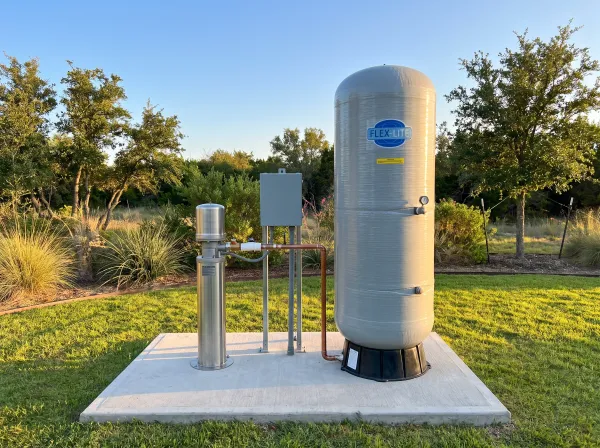
Clean, reliable water infrastructure supports household living. Submersible pumps and pressure tank systems are sized to meet peak domestic demand, supporting steady pressure at every fixture throughout the home.
Need a new well, a pump repair, or water for livestock or irrigation? Call or send a request and get help in Victoria and the Coastal Bend.
Fill out the form below and we'll get back to you promptly.
Clean, reliable water infrastructure supports household living. Submersible pumps and pressure tank systems are sized to meet peak domestic demand, supporting steady pressure at every fixture throughout the home.
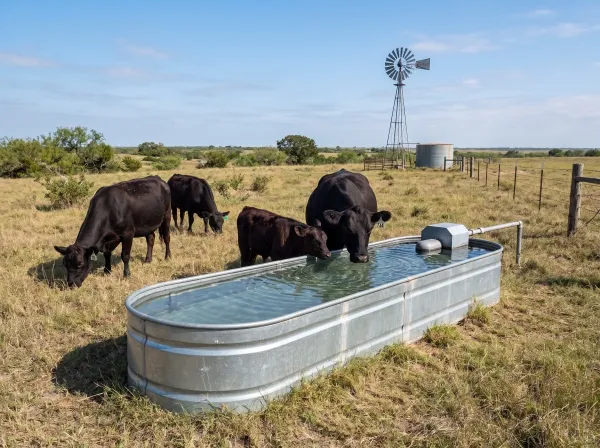
Ranches and farms depend on high-volume water. Agricultural wells are designed to deliver steady, high-capacity flow rates needed for livestock troughs, center-pivot irrigation, and pasture management during dry seasons.
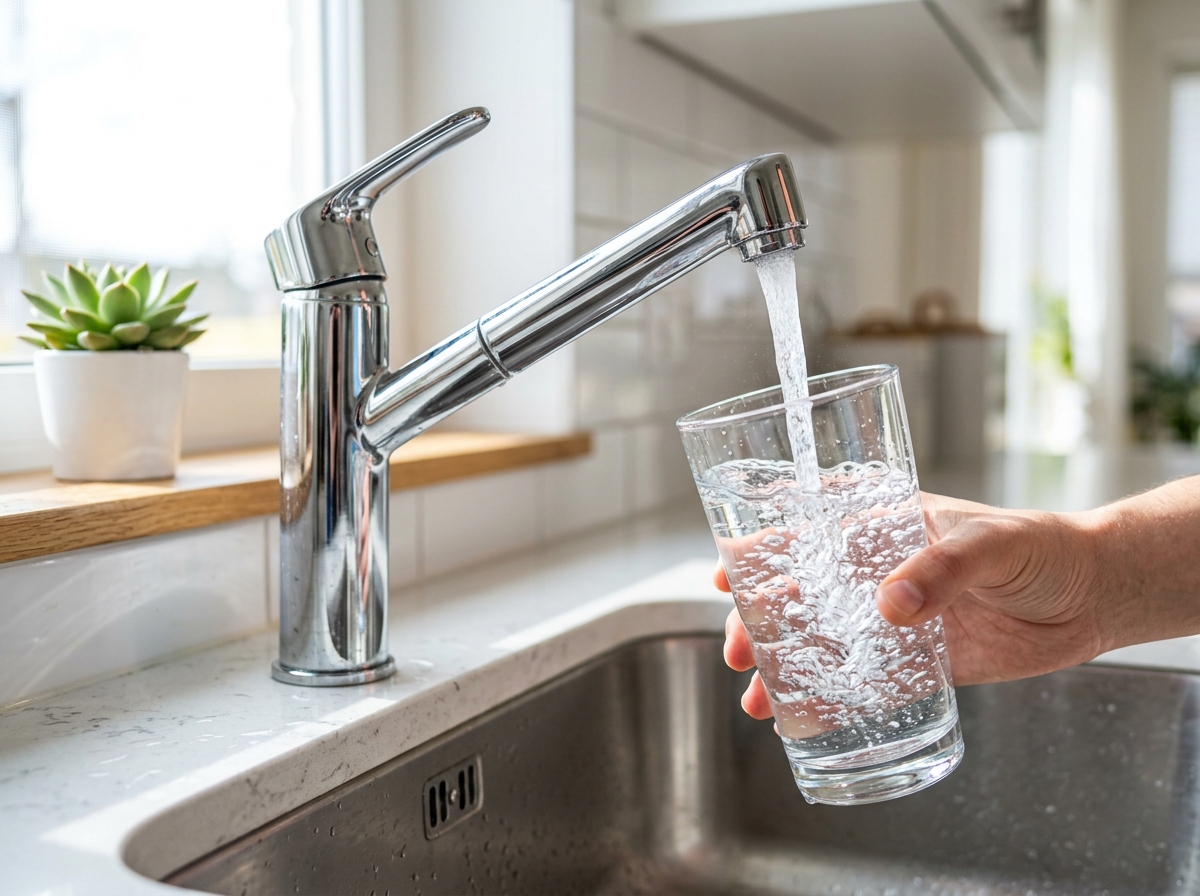
Raw groundwater often requires conditioning before use. Advanced filtration and softening systems remove dissolved iron, scale-causing calcium hardness, and hydrogen sulfide gas, delivering clear, odor-free water straight from the Gulf Coast Aquifer to the tap.
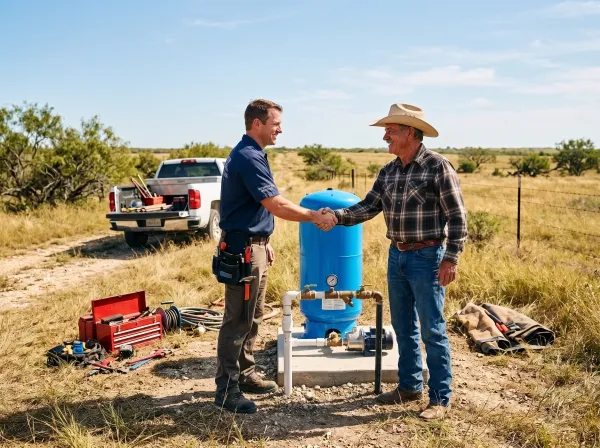
A sudden loss of water halts your home or ranch operations immediately. Common warning signs include rapid pump cycling, sputtering air at faucets, sudden pressure drops, or no water at all. Diagnostic checks can determine whether the problem is an electrical switch, a blown capacitor in the control box, a damaged drop pipe, or a failed submersible pump motor. Prompt troubleshooting helps restore water flow and prevents further damage to the system.
Call Now: (361) 286-6329Navigating the distinct ground layers of the Coastal Bend requires careful planning. Wells in this area are typically drilled into the Chicot or Evangeline formations, where rotary rigs penetrate dense South Texas sand and clay layers. Proper planning involves checking static water levels and anticipated drawdown to determine the right borehole depth and casing size for your property.
Installations typically use Schedule 80 PVC or heavy-wall steel casing, based on depth and ground pressure. To prevent surface water runoff from entering the well, contractors place gravel pack screens around the water-bearing sands and pump grout into the annular space up to the surface. This construction method protects the water supply and keeps sand out of the pump.
Drilling a new well or replacing key downhole components is a major property investment. When evaluating drilling and pump service contractors in Texas, look for these critical verification items:
Explore our comprehensive water well drilling services, local service areas, and educational resources tailored for the Texas Gulf Coast region.
From the initial consultation to turning on your faucet, here is the standard workflow for a well project.
Submit project details including property location, intended water usage (domestic, livestock, or irrigation), and estimated timeline.
Evaluate regional aquifer data, neighboring well logs, expected drilling depths, surface access, and utility connections.
Submit district notices, mobilize the drilling rig, bore to water-bearing sand strata, install casing, and set gravel pack and seals.
Hang the submersible pump, install the pressure tank and controls, complete electrical hookups, sanitize, and verify flow rates (GPM).
Groundwater services and well pump diagnostics are available across Victoria County and neighboring communities throughout the Coastal Bend and South Texas prairies.
Clear, factual answers to common questions about drilling, regulations, and pump performance.
Wells in Victoria County tap into the Gulf Coast Aquifer system. Shallow residential wells often reach water in the Chicot formation between 60 and 150 feet. Deeper domestic, agricultural, or higher-capacity systems frequently drill into the Evangeline formation between 250 and 500+ feet to reach more stable, higher-yield water sands.
Under current Victoria County Groundwater Conservation District (VCGCD) rules, standard domestic and livestock wells are typically exempt from operating permits. However, filing a mandatory Notice of Intent to Drill prior to beginning work and registering the well upon completion is legally required by the district.
Well installation costs vary based on total drilling depth, casing diameter and material (such as Schedule 80 PVC versus heavy steel), subsurface clay or sand layers, submersible pump horsepower, pressure tank volume, electrical trenching distance, and water testing requirements. A detailed site evaluation provides an accurate itemized estimate.
Rotary drilling for an average residential or pasture well usually takes one to three days, depending on ground formations. Setting the casing, gravel packing, annular grouting, dropping the pump, wiring the controls, and completing test pumping typically takes an additional one to two days.
A sudden loss of water pressure or flow is most commonly caused by an electrical or mechanical failure, such as a burned pressure switch, a bad capacitor in the control box, or a compromised submersible motor. If equipment checks out, prolonged drought or heavy seasonal irrigation drawdown may have lowered the static water table below the pump intake.
Groundwater in the Coastal Bend is widely consumed, but all new or repaired wells should be sanitized and submitted for certified laboratory testing to check for total coliform bacteria, nitrates, and total dissolved solids (TDS). Water treatment equipment such as whole-home filtration or water softeners can be installed to manage hardness or sulfur odors.
Contact us today to schedule your drilling project, request pump repair, or get a water test.